
How to Plan Outfits That Actually Fit in a Carry-On
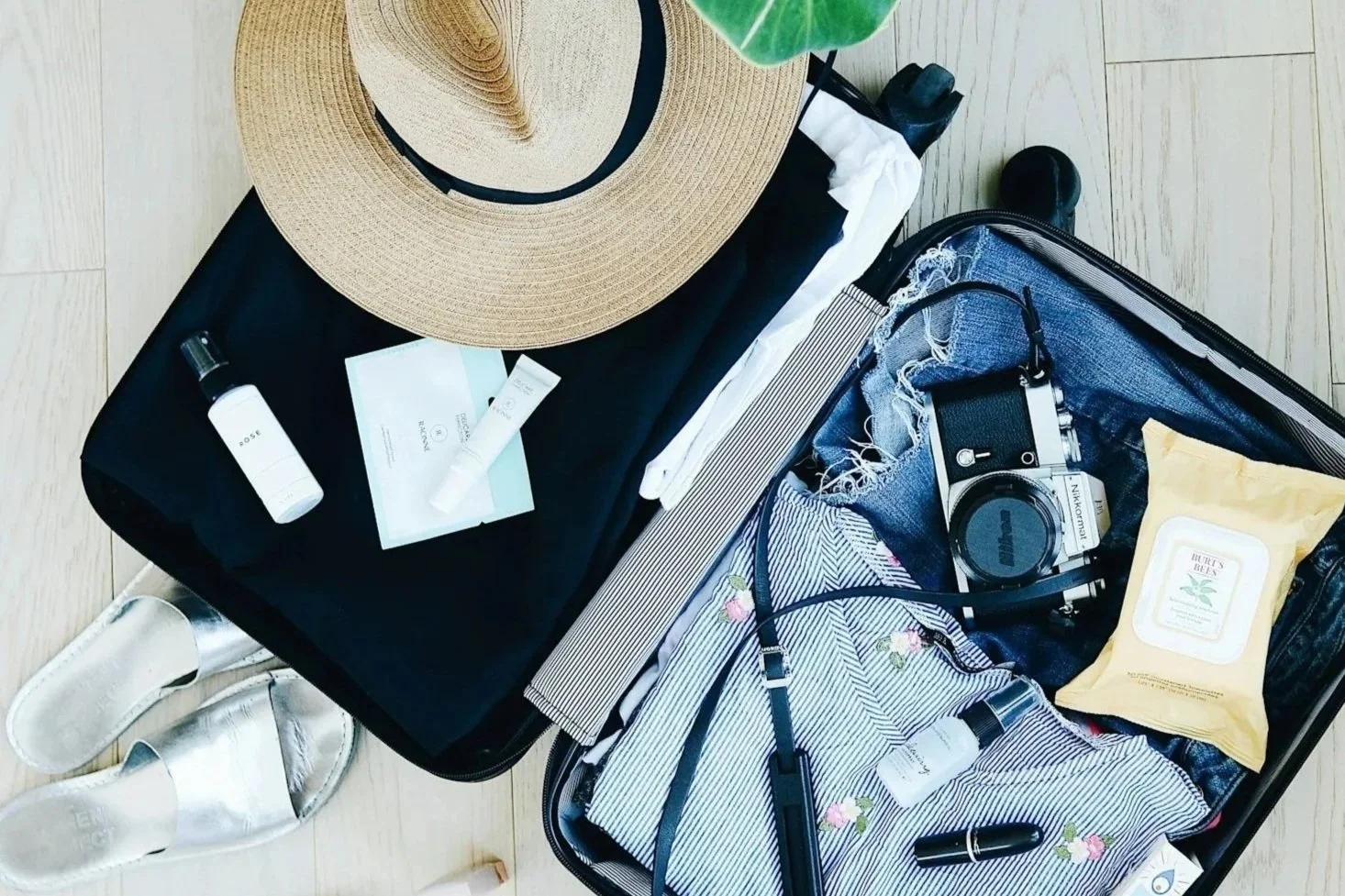
Fitting outfits into a carry-on isn’t about clever folding or packing tricks. It’s also not about finding the “perfect” suitcase or relying on packing cubes to solve the problem.
It really comes down to planning more intentionally. That means not throwing in guesses and maybes, but choosing items with a clear purpose and setting limits before anything goes in your suitcase.
Understand the Trip (So Every Choice Has a Purpose)
Before I think about clothes, I look at the trip itself: the itinerary, how active my days will be, any specific activities, and the weather — things like humidity, wind, and temperature shifts throughout the day.
I jot these details directly onto my itinerary, along with the outfits I plan to wear each day. When I can see it mapped out, I know every situation is covered and every item has a purpose, making it much easier to resist throwing in “just in case” pieces.
Shoes Come First — They Set the Limits
I always start with the shoes because they shape every other decision. Once they’re chosen, they set clear boundaries for the rest of the wardrobe — every outfit has to work with those shoes, which naturally limits how much I bring.
For most trips, it’s two pairs, with three being my absolute maximum.
I usually choose:
One workhorse shoe for high mileage days
One shoe that changes the look of an outfit for dinners or evenings
If I add a third pair, it’s because the trip genuinely calls for it — not because I’m trying to squeeze in another option.
Build from the Bottom Up
After shoes, I choose bottoms. Because they are easier to re-wear than tops, I’m able to keep this category tight — usually two to three bottoms, depending on trip length.
This is also where one of my non-negotiables comes in: If a piece can’t be worn in at least two different outfit combinations, it doesn’t come on the trip.
To keep things lean, I plan no more than two or three tops per bottom (more for warm trips if sweat makes re-wearing harder). And I stick to thinner, lightweight pieces because they take up less space and layer more easily.
Use Layers Instead of More Clothes
Layers allow a travel wardrobe to adapt to different temperatures and situations without adding more outfits.
I usually plan:
One light layer
One mid-weight layer
One warmer option if needed
With the right layers, I’m prepared for cool mornings, mild afternoons, and chilly evenings.
Plan One Main Coat (and Wear It)
Because coats are bulky and don’t pack well, I always plan for one main option that works across all of my outfits.
What that looks like depends on the destination:
Packable down
Wool coat
Lightweight trench
Denim jacket
And yes — I wear my coat on the plane.
I also bring a lightweight, packable rain layer, even in the summer. It takes up very little space and often saves the day.
Re-Wearing Is Part of the Strategy
Re-wearing is built into my packing plan from the start.
I don’t pack outfits for every day — I plan for pieces to be worn multiple times, on purpose.
I space re-wears out across the trip and change them up with different shoes, layers, or accessories. Variety comes from styling, not from adding more clothes.
I also think ahead about laundry. Some pieces can handle multiple wears, others can’t — and that affects what I bring. On longer trips, I plan for laundry along the way so I don’t need backups of everything.
Fewer pieces, worn more intentionally, are what make carry-on packing possible.
Why This Works
When outfits fit into a carry-on, it’s rarely because of how they’re folded (or rolled).
It’s because limits were set before anything went into the suitcase.
Shoes were limited
The number of bottoms was kept tight
Lightweight, non-bulky tops were chosen
Re-wears were planned
Layers replaced extra outfits
The bulkiest items were worn in transit
These are the decisions that define successful carry-on travel.
If you’d like to see examples of my Carry-On Couture travel capsules, you can follow along on Instagram or sign up for emails to have them delivered straight to your inbox.
