
What to Pack for European Cities in Spring (A Carry-On Packing List)
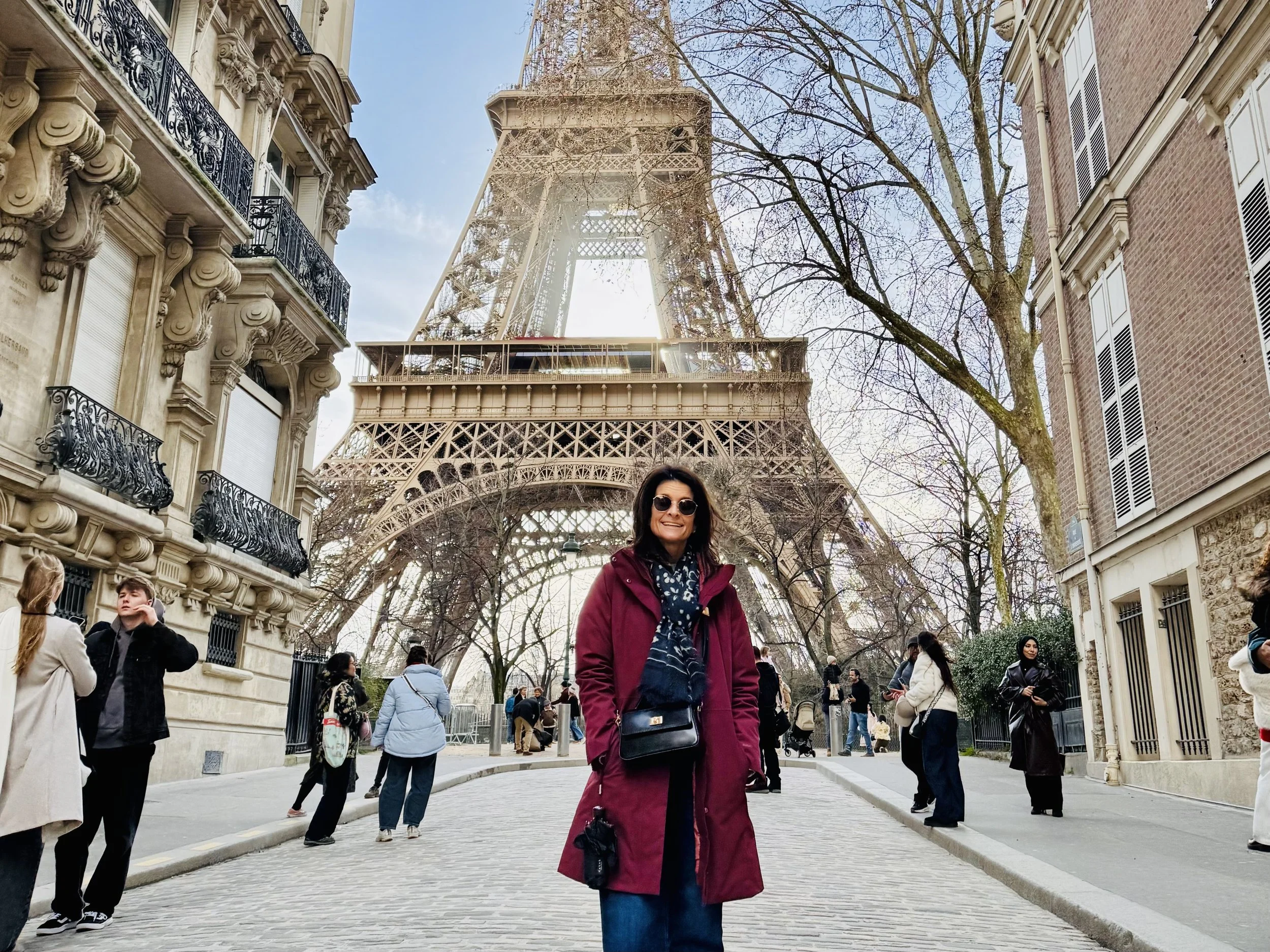
Spring is one of the best times to visit Europe, but it can also be one of the trickiest seasons to pack for. Whether you’re heading to Paris, Rome, Florence, Amsterdam, London, or Prague, the challenge is usually the same: changing temperatures, occasional rain, and long walking days.
The solution is not packing more. It is packing versatile pieces that layer well.
What Spring Weather in Europe Is Really Like
Spring weather in Europe changes constantly. Cool mornings often turn into mild afternoons, then chilly evenings again. Rain is common almost everywhere.
In general:
Southern Europe warms up earlier
Northern Europe stays cooler longer
Temperatures usually range from the mid-40s to mid-60s Fahrenheit
This is when lighter layers work better than bulky clothing. A sweater, blazer, or lightweight rain layer can be added or removed throughout the day much more easily than one heavy coat.
My Approach to Packing for Europe in Spring
I pack for the warmest part of the day first, then add layers for cooler weather.
That usually means:
lightweight tops
one sweater or cardigan
one jacket that handles rain and works with all of your outfits
comfortable walking shoes
Instead of packing separate outfits for different temperatures, I focus on pieces that work together easily. A dress can work with sneakers during the day, then with a cardigan and different shoes at dinner. The same trousers can be worn casually during the day and slightly dressed up at night. You also do not need completely different outfits every day. Re-wearing is part of traveling light.
Special Considerations for Europe
A few things matter more in Europe than people expect:
Comfortable shoes matter. Cobblestones expose bad shoes quickly.
Rain is likely. A lightweight rain layer is worth bringing.
Churches often require covered shoulders and knees.
Europeans generally dress more intentionally than many Americans expect. Simple and polished works well almost everywhere.
The Spring Packing List
2 Shoes
1 supportive sneaker or walking shoe
1 second shoe option like a loafer, ballet flat, block heel, or weather-resistant boot
2 - 3 Bottoms
For trips under 10 days, 2 pairs of pants is expert-level light travel!
Choose trousers or ponte pants, which are comfortable for long walking days and resist wrinkles, or dark denim, because it’s forgiving with dirt, and it goes with everything
4 - 5 Tops
Tops that can work casually during the day but still feel appropriate at dinner
A mix of short and long sleeve options
Mostly neutral colors, so everything mixes easily
1 -2 Dresses or Skirts
Options that can work for both sightseeing and dinner with simple styling changes
3 Layers
1 sweater or cardigan
1 lightweight jacket or blazer
1 packable rain jacket
Bonus points if you can layer your layers - the cardigan under the lightweight jacket under the rain layer!
Accessories
1-2 Lightweight scarves
Crossbody bag with a secure zipper
Fabrics That Work Best
I look for fabrics that:
layer comfortably
re-wear well
resist wrinkles
dry reasonably quickly
Some of my favorites are cotton, lightweight merino wool, ponte knit, and lightweight sweaters.
Common Packing Mistakes
Packing too many shoes
Bringing bulky sweaters instead of lighter layers
Packing pieces that only work one way
Overpacking “just in case” items
Underestimating how much walking Europe involves
A spring capsule for European cities should be built around layers, practical shoes, and pieces that work from chilly mornings to warmer afternoons. When your clothes adapt throughout the day, you actually need far less than you may think.