
Why Overpacking Feels Safe (And Why It Usually Backfires)
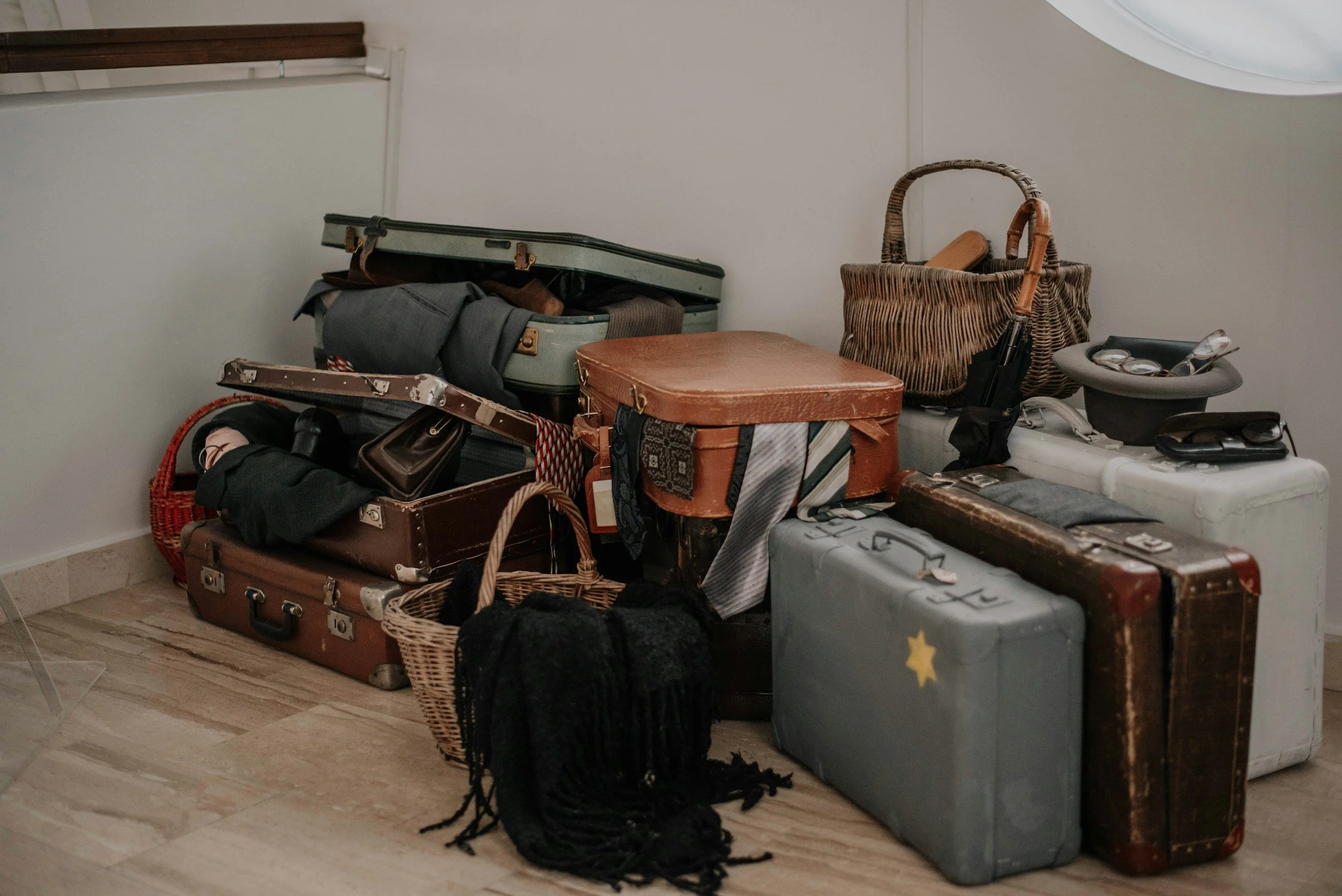
We often start with the best intentions. “This time, I’m not going to overpack.”
And then the what-ifs creep in. What if it turns cold? What if I spill on myself? What if I decide to work out? What if I want options?
These thoughts are incredibly common, and they don’t come out of nowhere. Travel already asks us to give up a certain amount of control, and packing is one of the few places where we feel like we can compensate for that. Adding more to the suitcase can feel reassuring in the moment — like we’re preparing for every possible scenario.
The problem is that this sense of comfort doesn’t last. Those “just in case” items often end up making travel more complicated and less enjoyable.
Overpacking Feels Reassuring
Packing can feel emotional, even if we don’t always recognize it that way. Leaving home means stepping away from familiar routines, easy access to our closets, and the certainty of knowing exactly what we’ll need.
Overpacking is often an attempt to recreate that sense of security. Bringing extra clothes, extra shoes, and backup options can feel like a way to stay prepared — and in control.
But the truth is, you can’t plan for every possibility. There will always be unknowns. Trying to account for all of them can lead to packing far more than you’ll ever use.
A more helpful approach is to pack for what you do know: the weather, the activities you’ve planned, and the way you realistically dress day to day. And if something unexpected comes up, it’s almost always possible to adapt or pick up what you need along the way.
Why Overpacking Usually Backfires
Ironically, the effort to make a trip feel easier often has the opposite effect.
Overpacked bags are heavier to manage, harder to move through airports, and more stressful to keep track of once you arrive. Just as frustrating, a suitcase full of options often leads to decision fatigue — standing in front of your clothes each morning, overwhelmed by choices, unsure of actually what to wear that day.
And despite all that extra packing, many of those items never leave the suitcase at all.
Instead of feeling prepared, you end up managing more than you need — more clothing, more decisions, more clutter.
The Smarter Approach
My solution to the what-ifs and the “just in case” items is planning.
That doesn’t mean packing rigidly or removing flexibility. It means taking a few minutes to think through the trip before filling the suitcase — looking at the itinerary, the weather, and the pace of each day, and choosing pieces that clearly make sense for the trip.
When every item has a purpose, there’s far less room for uncertainty. Planning outfits — even loosely — gives you confidence that your needs are already accounted for. And once that confidence is there, the urge to add unnecessary extras fades away.
This is the shift that made it possible for me to stop overpacking — not by packing less, but by packing with intention.
What You Learn Over Time
Overpacking often feels like protection, but it can create more stress than it solves.
A smaller, thoughtfully planned wardrobe makes travel simpler. And with each trip, confidence builds — in your choices, in your planning, and in knowing that you don’t need to bring everything to have what you need.
Packing light isn’t about deprivation. It’s about intention and choosing what actually matters.
If you’d like to see how this looks in real life, I share my travel capsules and packing process over on Instagram — or you can join my email list to have them sent straight to your inbox.
